
 By
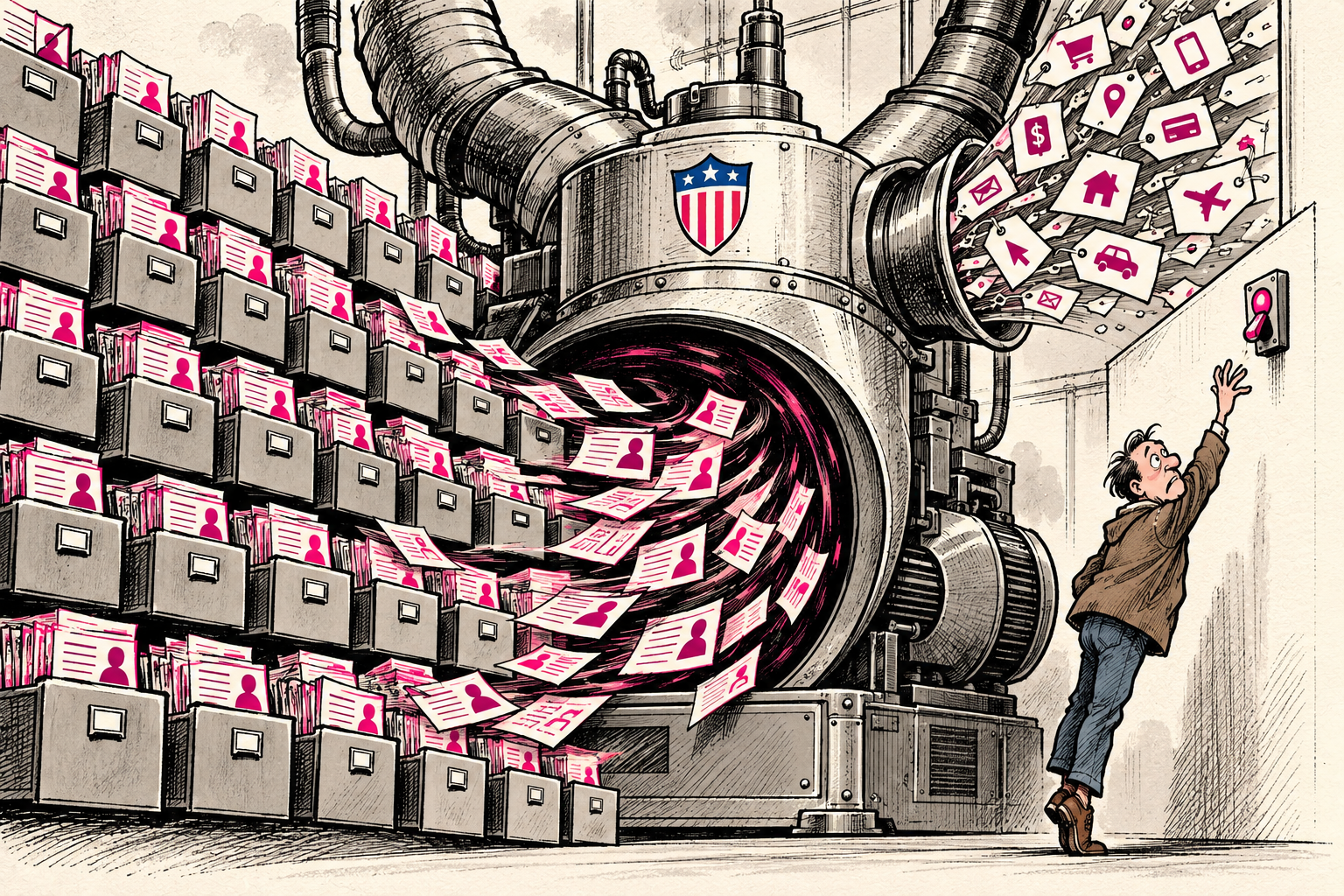
By The Trump administration says it is hunting for noncitizen voting. The latest alleged method is to collect voter files from at least 47 states, blend them with commercially purchased data and let a sprawling federal investigation search the resulting pile. Nothing says precision like putting nearly everybody in the search results.
A lawsuit filed October 15 by the League of Women Voters, the Electronic Privacy Information Center and the League of United Latin American Citizens alleges that the Department of Homeland Security created this system without the notices, safeguards and limits required by federal law. The 42-page complaint says the files can include dates of birth, addresses, phone numbers, party affiliation and, depending on the state, driver's-license or Social Security information. These are allegations in a newly filed civil case, not judicial findings. DHS had not responded to the Associated Press before publication.
The same day, the Justice Department sued California to stop the state from counting mail ballots from more than 20,000 people whom the administration calls likely noncitizens until their status is verified. Reuters reports that DHS generated the list by matching state rolls against its databases. California says it received only 48 hours and no supporting evidence sufficient to verify the claims.
So the product demo now has two screens. On one, the federal government says state voter systems cannot be trusted. On the other, the federal government asks everyone to trust a secret national data mashup assembled from those systems plus whatever the commercial-data aisle had on sale.
The Catch
The administration's sales pitch is election integrity. The catch is a system whose error bars can land on a citizen's ballot. Naturalized citizens are especially vulnerable when old immigration records lag behind reality. A database can preserve yesterday with impressive confidence. Citizenship, inconveniently, continues happening after the export finishes.
Reuters found only 129 prosecutions for noncitizen voting since Congress criminalized it in 1996. Its separate review found that software and clerical mistakes may have placed more than 30,000 noncitizens on state rolls since 2000, while leaving unclear how many cast ballots. Both facts matter. Illegal voting should be investigated; a registration error is not automatically a vote, and a possible match is not a verdict.
This is where the technical language tries to do political labor. Match. Flag. Likely. Surge. Each word sounds like a clean button. Behind it sits a person who may have to prove the machine confused an old record with a current life. The system calls that a false positive. The voter calls it Tuesday.
The California case also collides with a federal ban on mass voter-roll purges within 90 days of an election. The administration argues elsewhere that the restriction should not protect people who were never eligible. That legal question belongs to judges. The government still must establish who those people are before treating the label as self-authenticating.
Release Notes Nobody Approved
Parody release notes for Federal Voter Integrity Platform 1.0 would read: imports 47 state files; enriches them with commercial data; documentation unavailable; privacy review pending; production deployment scheduled three weeks before Election Day. Known issue: some users may be citizens.
That joke works because the alleged system reverses the normal order of responsible engineering. Define lawful authority. Minimize the data. Publish the rules. Test the match quality. Build a correction process. Then decide whether the tool is fit for a narrow purpose. You do not begin by copying the country's voter files into a federal basement and later ask whether anyone posted a privacy notice.
States are not entitled to ignore credible evidence of ineligible registration. DHS is not entitled to turn that duty into permission for a nationwide political-data warehouse. Election security and data restraint can occupy the same government at the same time; the software simply has to be designed for citizens rather than for the press conference.
The administration wants Americans to believe it found a voter-fraud machine. According to the complaint, what it actually built first was a machine full of voters. The privacy setting appears to be coming in a future update.