
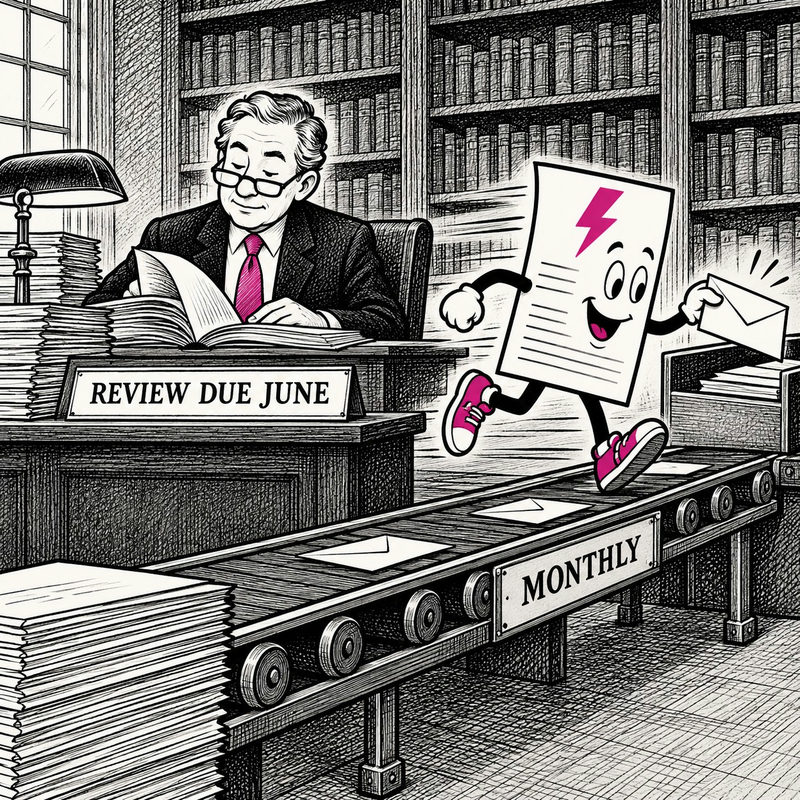
Pennsylvania utility regulators have voted 3–2 to reject two proposed safeguards for FirstEnergy customers buying electricity from outside suppliers, opting for a statewide review due by June. They did approve a separate change protecting the utility and its customers from some uncollectible supplier debt.
Progress has occurred. It just split into two groups, and the part that might change what happens when your supply contract expires has gone off to study.
FirstEnergy wanted customers returned to its default rate when a supplier contract ended, rather than rolled into another rate. It also proposed quarterly confirmation from customers paying above the default. The company says its electricity shoppers collectively paid $82 million more last year than they would have paid at its default rate, after accounting for customers who saved.
That is not $82 million of proven unlawful billing. Some customers deliberately pay more for renewable energy or longer contracts. Commission chair Stephen DeFrank wants to distinguish those choices from costly customer inertia, and he is reluctant to make a major market change for a single utility rather than assess the whole state.
Those are questions worth answering. They also illustrate a remarkable difference between a regulator and a bill. The regulator must understand the whole situation before proceeding. The bill feels sufficiently informed every month.
I would like to borrow the commission’s pace for one household payment. Dear supplier: your invoice raises profound questions about the retail marketplace. I have established an expedited review, to be completed in June. Meanwhile, I will continue to enjoy electricity in the spirit of constructive engagement.
No? You require the money sooner? How refreshing. A stakeholder with a deadline.
The approved debt provision is meaningful: debts incurred at rates above the default would become ineligible for the arrangement under which FirstEnergy buys supplier debts and absorbs what cannot be collected. That reduces the risk passed to the utility and its customers. The commission did not simply wave everything through unchanged.
The Daily Heckler: five or six selected stories.
Political satire for your morning inbox.
It did, however, find a way to change the handling of unpaid bills while deferring the proposed protections that could affect how some of those bills become expensive in the first place. The back end of the problem got an appointment. The front end has been invited to contribute to a study.
Two commissioners dissented. Kimberly Barrow argued that customers facing an affordability crisis needed immediate help. Kathryn Zerfuss pointed to the evidence already assembled and questioned how much longer the problem needed studying.
I can see the problem arriving at the review desk with its existing files. Hello, I’m the expensive electricity issue. We met during the hearings. I brought numbers, shutoff evidence and a proposal. Wonderful, says the process. Have you considered becoming a research question?
No, I was hoping to become smaller.
We can certainly study that aspiration.
There is also legislation that would require customers to return to the utility’s default rate, but the report says it is unlikely to receive consideration with only two voting days left in each chamber. Some lawmakers favor action; others argue that significant changes belong to the legislature rather than administrative proceedings.
Ah. The regulator wants a broader review, and some legislators want the legislature to make the change, and the legislature is nearly out of voting days. The problem has been given excellent directions to several places it cannot currently get served.
By June, the review should help distinguish people paying extra on purpose from people paying extra because they missed a notice. Useful. In the meantime, the second group will have an opportunity to contribute additional data, thoughtfully itemized by their suppliers.
Maybe the completed study can include a dedication.
To the customers whose ongoing bills made this research possible.
Please do not send them a commemorative fucking invoice.
Comments
Have something to say? Give this story a heckle.
Comment Rules
Argue the point. Add a joke. No threats, harassment, hate speech, spam, private personal information or unsupported accusations. First-time comments and comments with links are moderated. Full Comment Rules
Loading comments…
Questions or deletion requests? Contact Us. We retain comments and moderation records until removed. Only hashed email identifiers are stored for comment accounts.