
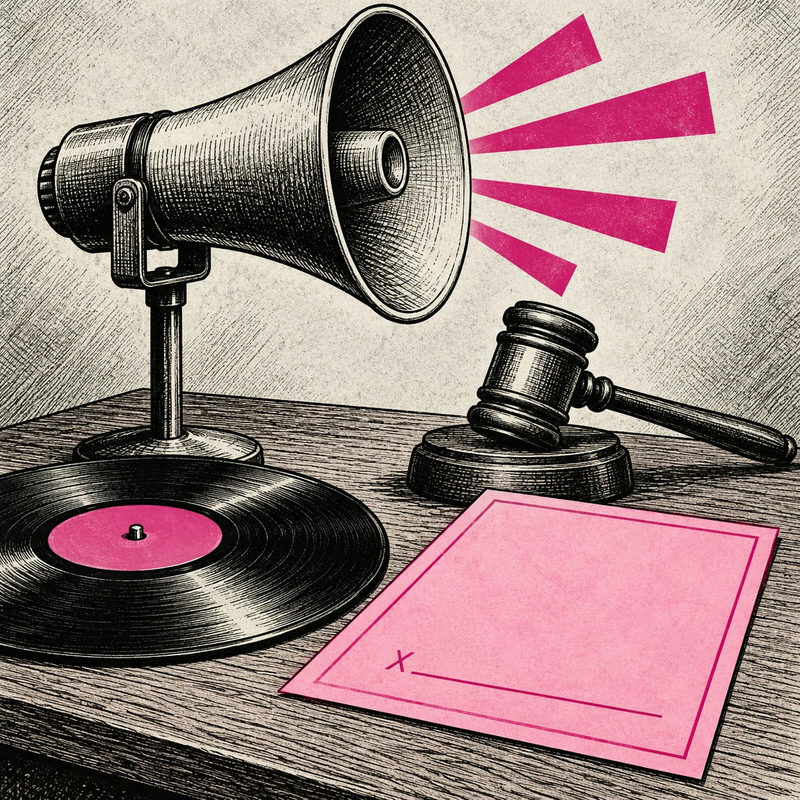
Neil Young has sued the Trump 47 Committee over another alleged unauthorized use of “Rockin’ in the Free World.” The title contains the word “free.” The licence apparently does not.
According to the BBC, Young’s company alleges that the fundraising committee played the song before Donald Trump took the stage at an October 12 rally in Ohio without the required permission. The lawsuit seeks $10 million. That is a demand in a complaint, not a judgment or a bill the court has already approved.
The particularly exhausting part is that Young sued Trump’s reelection campaign over the same song in 2020. The new complaint says that dispute was settled with a promise not to use it again without permission.
Some political traditions are worth preserving. Requiring the same musician to explain the same boundary to the same political operation may not be one of them.
There is a real distinction underneath the celebrity dust-up. Buying a recording does not automatically buy the right to use the musical work at a public campaign event. The BBC explains that a public-performance licence can be obtained from the rights holders or through performing-rights organizations. A campaign soundtrack is not simply somebody’s kitchen playlist with a security perimeter.
The Daily Heckler: five or six selected stories.
Political satire for your morning inbox.
Young alleges that no licence authorized this use and that Trump knew one was required. Those allegations remain to be adjudicated. The White House referred the BBC to the Republican National Committee, which the broadcaster had contacted for comment.
No secret political motive needs to be invented here. The publicly stated objection is enough: an artist who opposes the president’s politics says his work was used at the president’s rally without permission, despite an earlier settlement. The dispute is about whether a campaign can borrow the emotional effect of a song while leaving the person who controls its use out of the transaction.
A rally wants the crowd, the energy, the familiar opening and the feeling that the whole room is moving in the same direction. Unfortunately, the licensing question does not disappear when everybody starts clapping.
Young’s complaint characterizes the song as a criticism of political promises that leave poor and forgotten people behind. You do not have to resolve every argument about its meaning to understand the smaller administrative point. A song can fit beautifully into your entrance and still not belong to you.
The campaign can contest the lawsuit. The court can decide the claims. Meanwhile, there is a surprisingly affordable way to avoid having the same argument for another six years: ask before pressing play.
Comments
Have something to say? Give this story a heckle.
Comment Rules
Argue the point. Add a joke. No threats, harassment, hate speech, spam, private personal information or unsupported accusations. First-time comments and comments with links are moderated. Full Comment Rules
Loading comments…
Questions or deletion requests? Contact Us. We retain comments and moderation records until removed. Only hashed email identifiers are stored for comment accounts.