
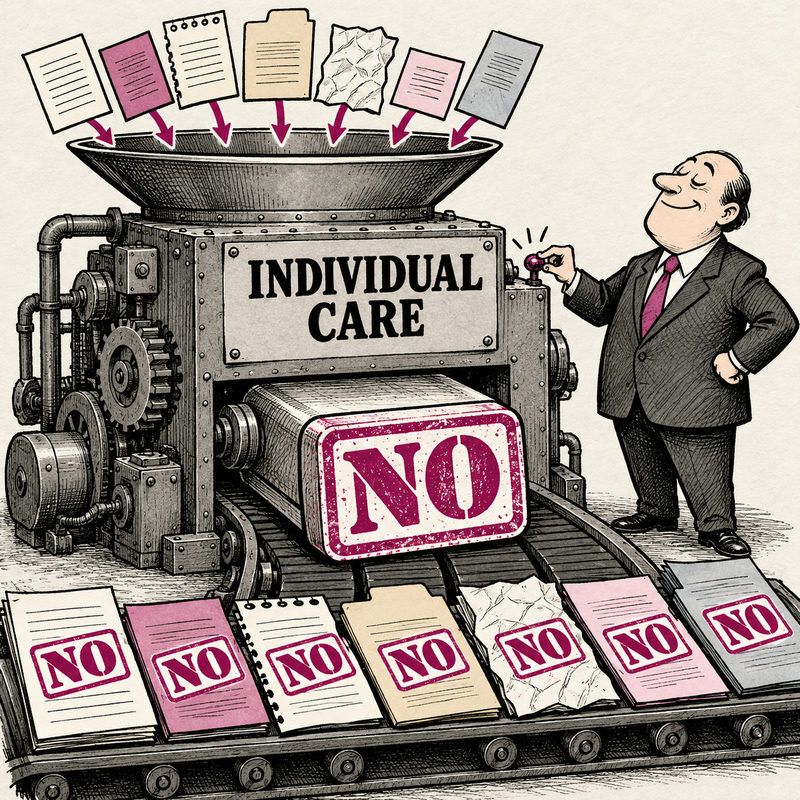
The Bureau of Prisons says medical care should be tailored to an inmate’s unique needs. Its proposed tailoring method removes the same treatments from everyone in the affected group. An unusually efficient fitting: the measurements cannot change the garment.
That language appears in the agency’s explanation of its new transgender-care policy, reported by CBS News. On Wednesday, the Supreme Court refused the Trump administration’s emergency request to put the policy into effect while litigation continues. The one-line order leaves a lower-court injunction in place. It does not supply a final ruling on every legal question, or a medical opinion. The administration has simply failed to obtain emergency permission to stop care.
The policy followed President Trump’s executive order barring federal funds for these treatments. Under the February rules, the bureau would stop providing hormone therapy and surgeries for gender dysphoria, taper existing hormone treatment toward discontinuation, and end specified social accommodations. The destination was settled before the individual arrived. The taper merely offered a slower route to the same answer.
The agency also invoked the latest scientific information. This is where its own history becomes inconvenient. Lawyers for the prisoners say the bureau has provided hormone treatment since 1992. The appeals court found that the agency had not adequately considered its experience under the previous policy. Thirty-four years of doing the work had somehow become less relevant to the explanation than a new instruction to stop.
Make powerful people uncomfortable.
Subscribe to Democrawonk.
The administration disputes that account. Solicitor General D. John Sauer defended both the medical rationale and separate prison-security grounds. But the prisoners’ lawyers said the agency had identified no security incident linked to the treatments. A security justification ought to be able to introduce the security problem. Otherwise, the word is performing duties normally assigned to evidence.
The proposed replacements sharpen the distinction. According to the challengers, the bureau’s own expert acknowledged no evidence that psychotherapy treats gender dysphoria, while its medical director described psychotropic drugs as addressing coexisting conditions. The government was not merely arguing over which treatment works best. Its opponents say it was withdrawing the recommended treatment and offering help with something else.
Justices Samuel Alito and Clarence Thomas would have allowed the change to proceed. The court did not. For now, the agency must keep providing the care covered by the injunction, and its explanation must coexist with the record it would rather set aside. The inmates’ needs may be unique. The president’s preferred answer is available in one size.
Comments
Have something to say? Give this story a heckle.
Comment Rules
Argue the point. Add a joke. No threats, harassment, hate speech, spam, private personal information or unsupported accusations. First-time comments and comments with links are moderated. Full Comment Rules
Loading comments…
Questions or deletion requests? Contact Us. We retain comments and moderation records until removed. Only hashed email identifiers are stored for comment accounts.