Follow the donations, contracts, tax breaks and promises of prosperity. Our satire examines corporate influence, technology companies and economic policy, asking who gets the benefit and who gets the bill. The earnings-call enthusiasm is optional; reading the fine print is the point.
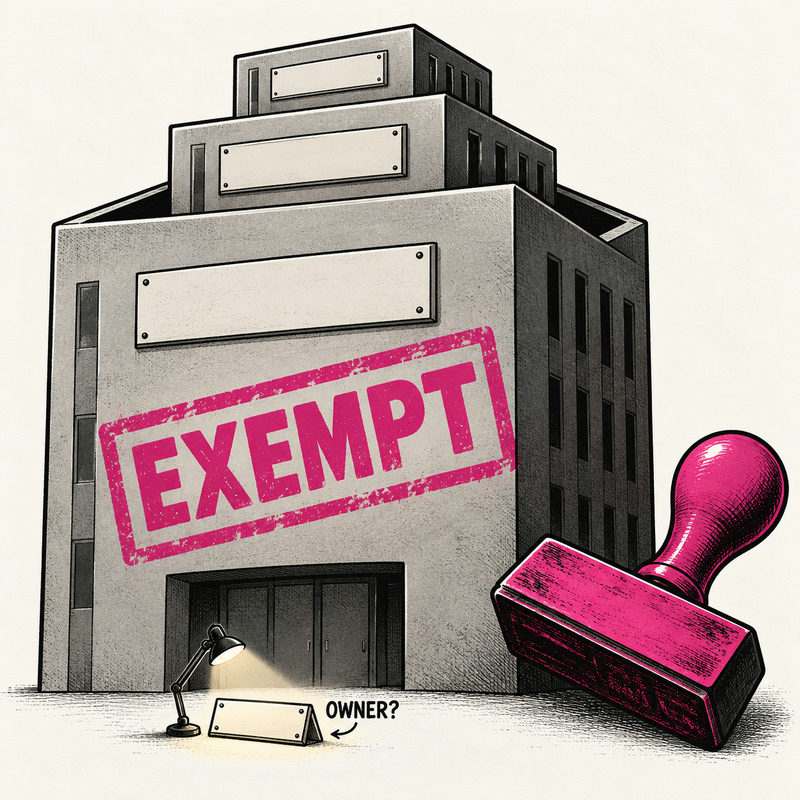
A coalition of states and D.C. is suing over the administration's corporate-ownership reporting rollback. Treasury calls it burden relief; the challengers say an agency cannot repeal a law by exemption.
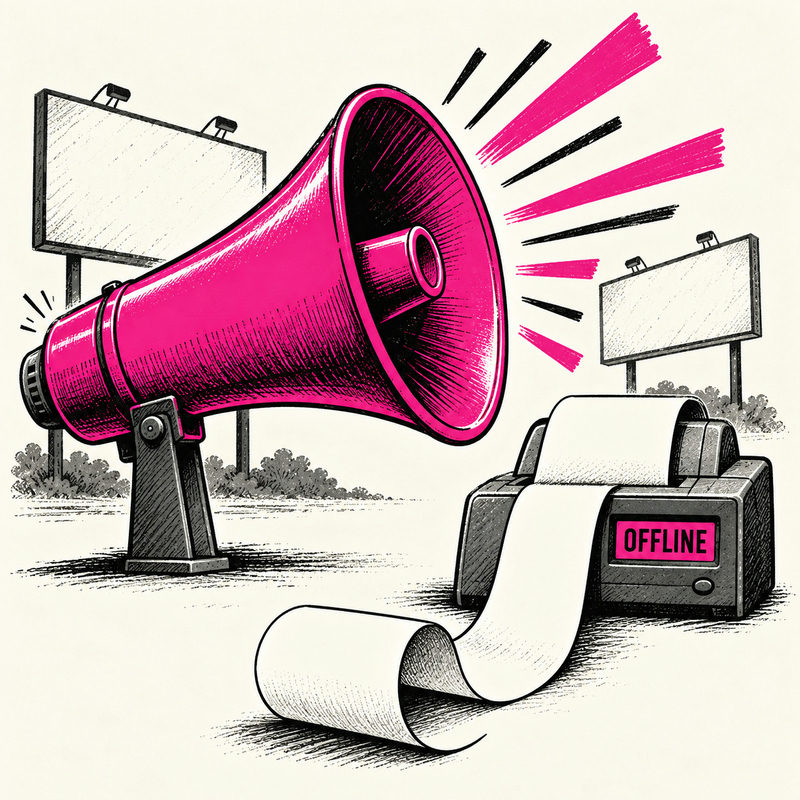
A cyberattack has disrupted the FEC's electronic filing system during the final campaign-spending rush. This is a disclosure problem, not a voting-system failure. The distinction matters, and so does the missing visibility.
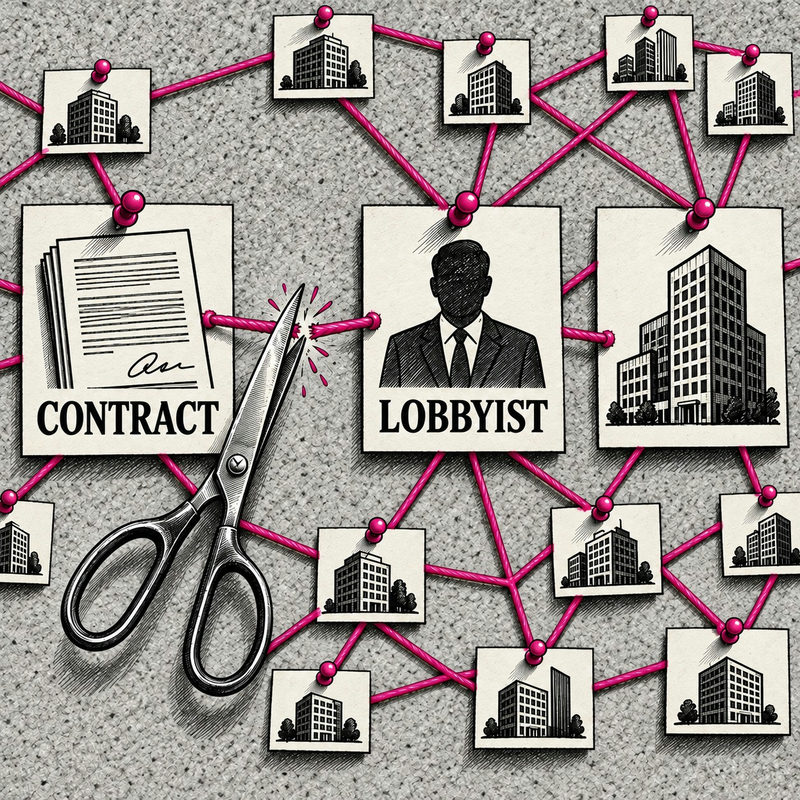
Alibaba won a preliminary injunction against a Pentagon-contract restriction reaching firms connected through shared lobbyists. The blacklist remains; one particularly elaborate chain of consequences is on hold.
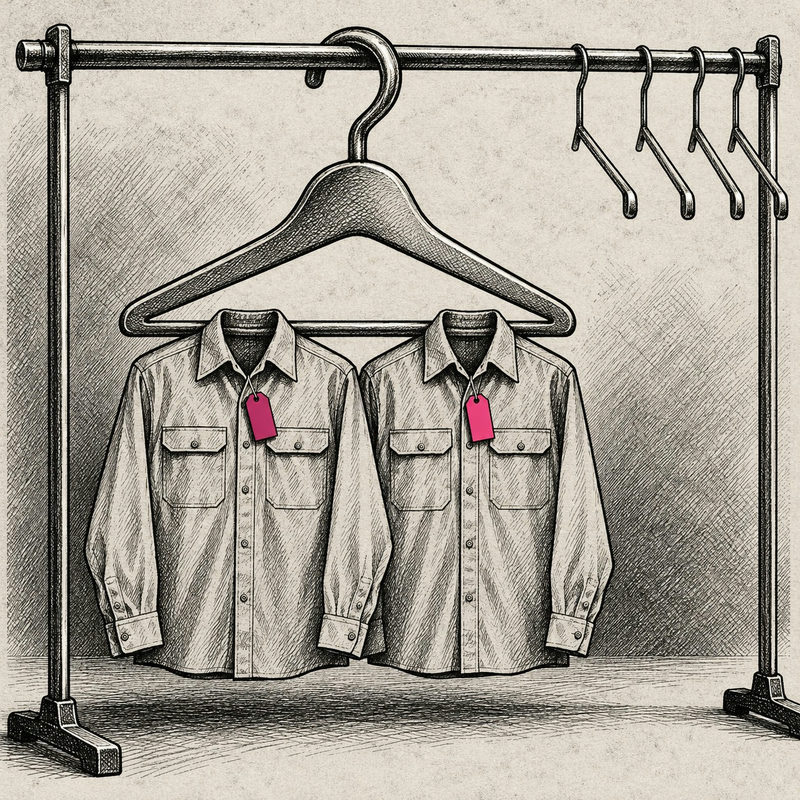
Cintas wants to acquire UniFirst for $5.5 billion. The FTC reportedly intends to challenge the deal, although commissioners have not voted. The workwear may match; the companies do not necessarily need to.
Reuters traces $176 million in midterm spending to an industry building political power beyond Trump. The voters get the immigration argument; the donors get the regulatory strategy.