
Donald Trump has a plan to address an energy problem: make it easier for oil and gas producers to deal with the people who notice gas escaping.
Reuters reports that he plans to announce an Environmental Protection Agency proposal easing methane rules during Tuesday's Texas campaign swing. According to a White House official, the plan would provide relief for small, low-output wells, end a program through which outside groups report large methane leaks, and ease rules intended to phase out routine burning of gas at oil wells.
This is a planned proposal, not a final rule already in force. The administration presents it as a way to increase energy production and lower costs. The reporting does not establish how much, if anything, a driver would save at the pump, or when.
But the campaign setting supplies the intended emotional timetable: preferably before next Tuesday.
Our earlier coverage examined the delayed methane timetable, including the administration's separate push to remove greenhouse-gas reporting requirements. Reuters now identifies specific elements of the coming proposal, including the outside-group program for reporting large leaks. This is not just another announcement that an announcement is coming.
The Biden-era rules required companies to fix leaky equipment and regularly check wells for escaping methane, a potent greenhouse gas. The proposed changes reach into how problems are detected as well as what producers must do about them. Ending an outside reporting program is not the same activity as repairing a pipe, although both can produce fewer troublesome reports on somebody's desk.
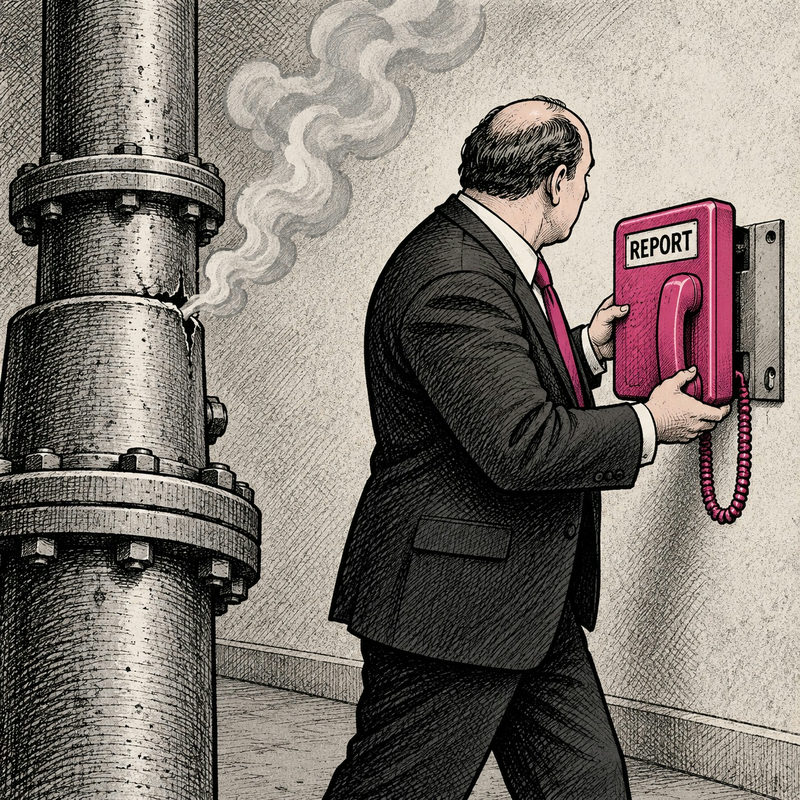
There is a familiar managerial elegance to this. If the phone keeps ringing about a leak, you can repair the leak or remove the phone. Only one of those solutions requires finding out what is wrong with the equipment.
Make powerful people uncomfortable.
Subscribe to Democrawonk.
The small-well provision deserves to be assessed on its actual terms when the proposal is available. A low-output operation may face different compliance costs from a large one. That does not automatically answer what happens to its emissions, and it certainly does not explain why reports of large leaks from outside groups are the obstacle to affordable fuel.
Routine flaring is another distinct mechanism: burning off gas at oil wells. Easing its phaseout is not simply a general declaration of enthusiasm for American energy. It is a choice about what producers may do with gas and what controls will apply. The details matter more than the size of the podium slogan.
As the official and campaign stops on this Texas trip already showed, governing and electioneering are sharing an itinerary. This new report adds a specific regulatory offering. Trump is making his third visit to the state this month while Ken Paxton faces a close Senate contest against James Talarico.
That is the political mechanism here: an industry-friendly proposal becomes evidence that the president is doing something about fuel prices, which have hurt Republicans amid the Iran war. Whether the proposal actually produces the advertised household benefit is a separate question. The announcement gets to the rally considerably faster than the answer gets to the household.
A serious case for the change would compare compliance costs, emissions and the expected effect on supply and prices. It would explain why an outside warning about a large leak is something the public can afford to lose.
For now, the administration is offering cheaper energy as the destination and fewer leak reports as part of the route.
The gas is escaping. It would be unfortunate if the accountability did too.
Comments
Have something to say? Give this story a heckle.
Comment Rules
Argue the point. Add a joke. No threats, harassment, hate speech, spam, private personal information or unsupported accusations. First-time comments and comments with links are moderated. Full Comment Rules
Loading comments…
Questions or deletion requests? Contact Us. We retain comments and moderation records until removed. Only hashed email identifiers are stored for comment accounts.