
I want my television to have fewer ambitions.
Show the movie. Make the people reasonably visible. When I press the volume button, respond sometime before the next presidential administration. These are modest expectations for an appliance that occupies half my living room.
I did not purchase a junior member of the technology sector.
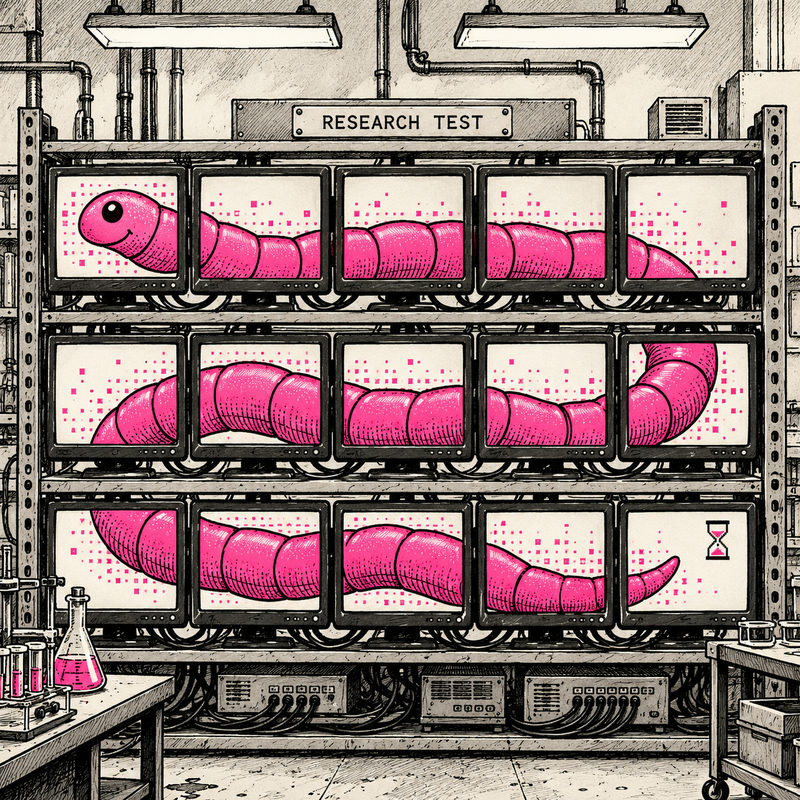
Anthropic researchers recently demonstrated a malicious program spreading across 15 internet-connected televisions and pooling some of their computing power. This happened in a controlled test, not an outbreak in people’s homes. Experts disagree about how soon a practical AI worm could become a serious threat.
Fine. Let them investigate. My complaint is that we have reached the point where “could my television participate in a coordinated cyberattack?” is a question adults have to spend time answering.
It used to be furniture with pictures. We were doing beautifully.
I think companies selling connected devices should be responsible for keeping those devices secure. Apparently this is a radical position, because the alternative involves me becoming the head of information technology for a household where nobody can find the remote.
Smart devices often receive security patches less frequently than phones or laptops. That strikes me as a fairly important flaw in the sales pitch. You cannot spend the entire commercial explaining that your product is connected to everything, then treat maintaining those connections as an eccentric hobby the customer might enjoy.
You wanted it online. You maintain it.
Instead, the advice inevitably arrives for us: stronger passwords, two-factor authentication, better security habits. Useful precautions, certainly. But I resent how comfortably the responsibility settles into the consumer’s lap. I’m trying to watch a detective explain who killed somebody. I don’t want a second mystery involving whether the screen needs a firmware update.
And yes, I can hear the objection: technology is complicated.
So are elevators. I still expect the company to handle the complicated part. Nobody installs one and tells the tenants to develop stronger cable habits.
What bothers me about the AI debate is how quickly it floats away from these ordinary obligations. We’re discussing whether malicious software could eventually adapt, spread and exploit new vulnerabilities. Meanwhile, I would like to know how long the company selling a television intends to support the damn television.
Put that on the box. In large print. Right beside the screen size.
I want clear security-support periods, straightforward updates and consequences for companies that sell connected products and then lose interest in keeping them safe. Government can insist on that without first resolving whether artificial intelligence will develop consciousness, conquer humanity or become unpleasant at dinner.
Study the experimental worm. Argue about the forecast. That is legitimate research.
But spare me a future in which every appliance gets to be brilliant while I get to be responsible. If manufacturers want to sell ordinary people a house full of computers, they can start acting like they owe those people ongoing support.
Until then, I have a feature request for the next generation of smart televisions:
Make one smart enough that owning it doesn’t become my second job.
Comments
Have something to say? Give this story a heckle.
Comment Rules
Argue the point. Add a joke. No threats, harassment, hate speech, spam, private personal information or unsupported accusations. First-time comments and comments with links are moderated. Full Comment Rules
Loading comments…
Questions or deletion requests? Contact Us. We retain comments and moderation records until removed. Only hashed email identifiers are stored for comment accounts.