
The Details
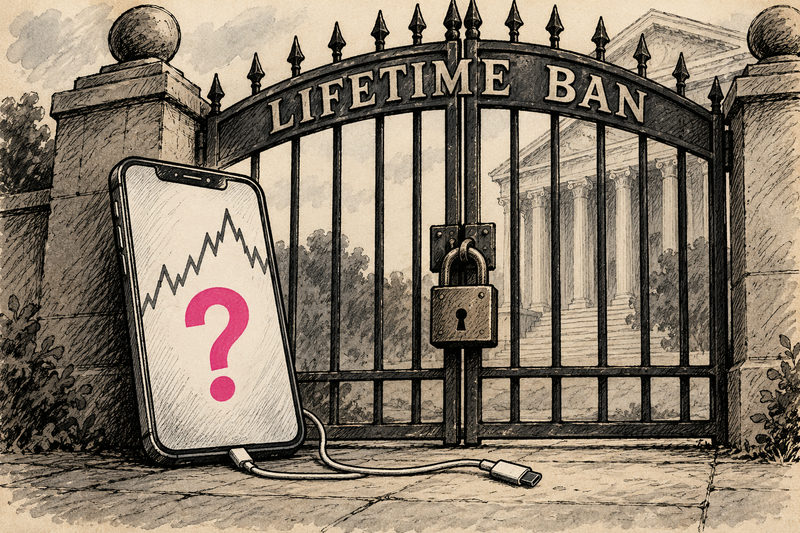
Martin Shkreli’s lifetime pharmaceutical-industry ban has reached the exciting stage where regulators need 37 pages to explain that they meant the lifetime belonging to Martin Shkreli. Business Insider reports that the FTC and seven state attorneys general are asking a judge to hold him in contempt, alleging pharmaceutical-stock trading and industry commentary broadcast on YouTube, X and Reddit despite the ban. The court hasn’t decided whether those activities violated the order. So we are not declaring him guilty of this allegation. We are admiring a system in which permanent exclusion apparently requires the occasional software update, a federal motion and several attorneys general standing around wondering whether anybody saved the instructions.
The Breakdown
- The alleged return came with a livestream. Regulators say his YouTube broadcasts show pharmaceutical-stock trading since July 2022. Most people under a lifetime industry ban might worry about the industry part. The alleged activity raises the more contemporary question: should permanent exclusion have a Subscribe button?
- The trading challenge did not begin with sofa change. The filing describes an account with a $10 million starting balance and trades in 11 pharmaceutical stocks, including Pfizer and Moderna. That’s starting capital, not reported profit. Ten million dollars: finally, a challenge that understands the crushing disadvantage of beginning with only nine million.
- The audience could watch him discuss the business too. The agencies cite industry opinions posted on X and Reddit alongside the trading. The judge gets to interpret the order; a social platform does not automatically issue a compliance certificate because somebody added a microphone. Ring lights illuminate faces, not legal loopholes.
- The visible trades may not be the whole collection. Regulators cite a livestream remark suggesting other accounts and trading kept off social media. That requires investigation, not an invented balance sheet. But public broadcasting is a strange place to develop a reputation for being difficult to monitor. The camouflage has a comment section.
- The proposed penalty follows the money. The agencies want a fine equivalent to any profits from covered trades and escalating consequences for future violations. None of that has been imposed here. They are asking the court to ensure that allegedly ignoring a ban does not become the investment strategy with the most attractive upside.
The Counter
- Buying stock isn’t necessarily running a drug company. Correct. The precise order matters, and the judge should decide its scope. But the restricted person does not get sole interpretive authority. Otherwise restraining orders would come with a helpful customer-editable settings menu.
- People can discuss an industry without working in it. Absolutely. Regulators allege particular speech and trading activities; the court must assess them. Freedom to express an opinion is not a universal solvent that makes every accompanying transaction disappear. A podcast microphone is not diplomatic immunity with a foam cover.
- Public activity might indicate that he thought it was allowed. It might. It also might indicate that he had internet access. We should investigate rather than guess, but let’s not elevate possession of a webcam into the standard American test for regulatory compliance.
- A profits-based fine could be expensive. That is generally the point of attaching consequences to lucrative prohibited conduct—if it is proved. A penalty so comfortable it deserves a lumbar cushion is not deterrence. It is a business expense wearing a judge’s robe.
- He already received punishment. That doesn’t make a continuing ban optional. The earlier sanctions and this undecided contempt motion are distinct issues, not a punch card where sufficient prior inconvenience earns one complimentary return visit. A lifetime restriction is supposed to govern what happens next, not commemorate how unpleasant the previous proceedings were.
The Hot Take
Have the court establish what the order covers and what happened. If violations are proved, recover the appropriate trading profits, impose meaningful escalating penalties and require verifiable compliance. None of this needs a moral lecture so long that the audience ages out of the healthcare system before the last paragraph. It needs an enforceable restriction and somebody checking it.
Fund that checking. Ordinary people should not have to finance a regulatory scavenger hunt every time a well-connected operator discovers a new distribution platform. And don’t convert a single person’s restriction into a blanket prohibition on ordinary investors; enforce the actual order against the actual person.
If the court finds a violation, the outcome should make compliance look like the sensible option. A lifetime ban cannot be the only lifetime subscription in America that the customer gets to cancel by simply continuing to use it.
Comments
Have something to say? Give this story a heckle.
Comment Rules
Argue the point. Add a joke. No threats, harassment, hate speech, spam, private personal information or unsupported accusations. First-time comments and comments with links are moderated. Full Comment Rules
Loading comments…
Questions or deletion requests? Contact Us. We retain comments and moderation records until removed. Only hashed email identifiers are stored for comment accounts.