
The Details
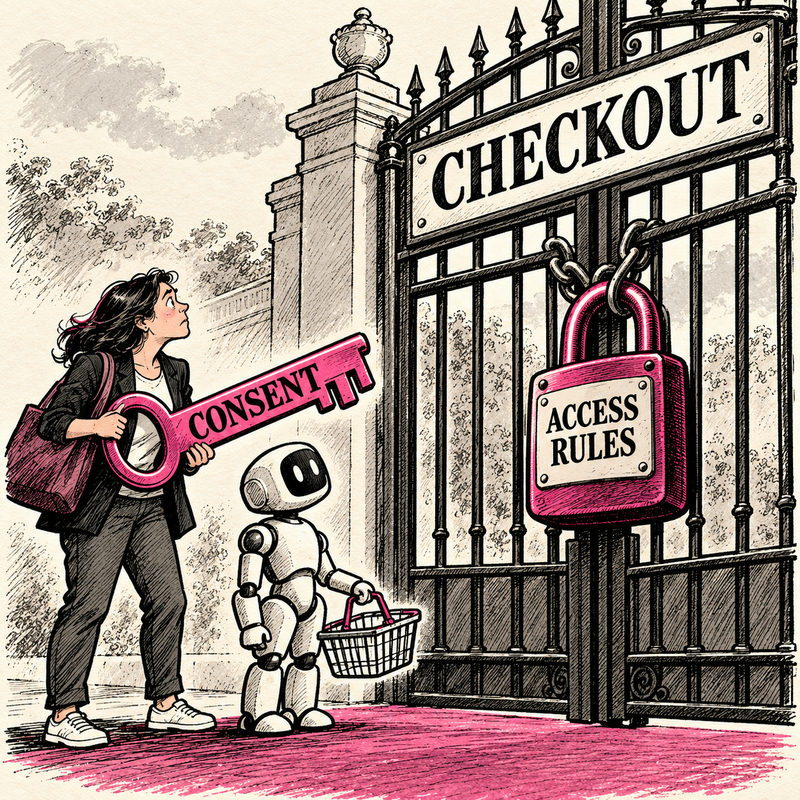
An X user said Amazon was blocking Grok bots from placing orders, noted that one of their bots handled Amazon returns, and asked Elon Musk about starting an X Shop. Musk reposted the complaint and replied, “Maybe we should start a competitor to Amazon.” Moneywise says his seriousness is unclear, and representatives for Musk and Amazon did not respond to its requests for comment. The report also describes Amazon blocking other AI shopping agents, including Meta’s Muse. There is no confirmed Musk store to compare with Amazon—just a fight over who gets to accompany a shopper to checkout, plus a billionaire offering to build an entire mall out of the word maybe.
The Breakdown
- The Grok ordering problem comes from an X user’s account; it does not establish that every Grok bot is banned. The user also mentioned a bot for returns, a different task. It takes a special kind of retail future to make the return process sound like the less complicated half of shopping.
- Musk’s reply proposed no business plan, opening date or checkout. “Maybe we should start a competitor” is enough to ignite an e-commerce story, apparently, but not enough to sell anybody socks. For now, the most readily available item in X Shop is speculation, with unlimited stock.
- Moneywise reports Amazon has blocked multiple AI agents, including Meta’s Muse. That broadens the issue beyond one user’s Grok complaint without proving that every outside tool faces the same restriction. Shoppers can spend months choosing a helpful assistant, only to discover the store has its own opinions about their plus-one.
- Paul Graham predicted that blocking agents could create an opening for an Amazon competitor. He thinks people will want independent agents buying things for them rather than an Amazon-supplied one. Perhaps! But his argument that a restriction proves demand is a peculiar market survey: count the people kept out, then call every one of them a future customer.
- Moneywise received no reply from either company’s representatives. So Amazon’s explanation for the reported restrictions and Musk’s intentions remain unknown. That has not stopped the contest from acquiring the atmosphere of a corporate showdown; the competitors have managed to supply one unanswered question and one possible store.
The Counter
- A store has good reasons to worry about unauthorized orders, fraud and abusive automated traffic. Those risks call for purchase approvals and clear technical rules, not an assumption that any agent outside the corporate family is trouble. “Safety” becomes a much less convincing sales pitch when customers cannot tell which risks the rules address.
- Perhaps Amazon’s own shopping tools would be simpler to manage. Simpler for whom? If the seller also selects the shopper’s assistant, comparisons with other sellers become an optional courtesy from the very company being compared. That is like letting a restaurant write your review before you have eaten.
- Musk could, in principle, build a genuine alternative. His X post is not one. Treating a possible future store as an existing consumer victory asks shoppers to pay for their groceries with enthusiasm. The checkout will want a different form of payment.
- Graham may prove right about demand, but his forecast is not evidence that buyers want agents placing unlimited orders. A shopper might welcome help finding a deal while still insisting on approving the purchase. Convenience without consent is just an unexpectedly efficient way to acquire six blenders.
- More stores alone would not settle who controls an authorized agent’s access. If each marketplace can favor its own tools and change the rules without a usable explanation, consumers get a thrilling array of places to be told how they are permitted to shop.
The Hot Take
The liberal answer is not to cheer for whichever billionaire might someday offer the friendlier cart. Give shoppers real control: clear permission settings for outside agents, spending caps, confirmation before purchases and straightforward ways to revoke access or dispute mistakes. Require marketplaces to explain access rules and apply legitimate security safeguards consistently, rather than treating their own tools as the default definition of trustworthy. Regulators should scrutinize whether restrictions protect buyers or protect a platform from competition; the reported blocking merits examination, not a verdict conjured from one post.
And if Musk builds a store, hold it to the same standards. The point of portable consumer choice is that it survives a change of logo. Otherwise, we have invented an astonishing new shopping technology: the ability to ask one billionaire for permission to stop asking another.
Comments
Have something to say? Give this story a heckle.
Comment Rules
Argue the point. Add a joke. No threats, harassment, hate speech, spam, private personal information or unsupported accusations. First-time comments and comments with links are moderated. Full Comment Rules
Loading comments…
Questions or deletion requests? Contact Us. We retain comments and moderation records until removed. Only hashed email identifiers are stored for comment accounts.