
 By
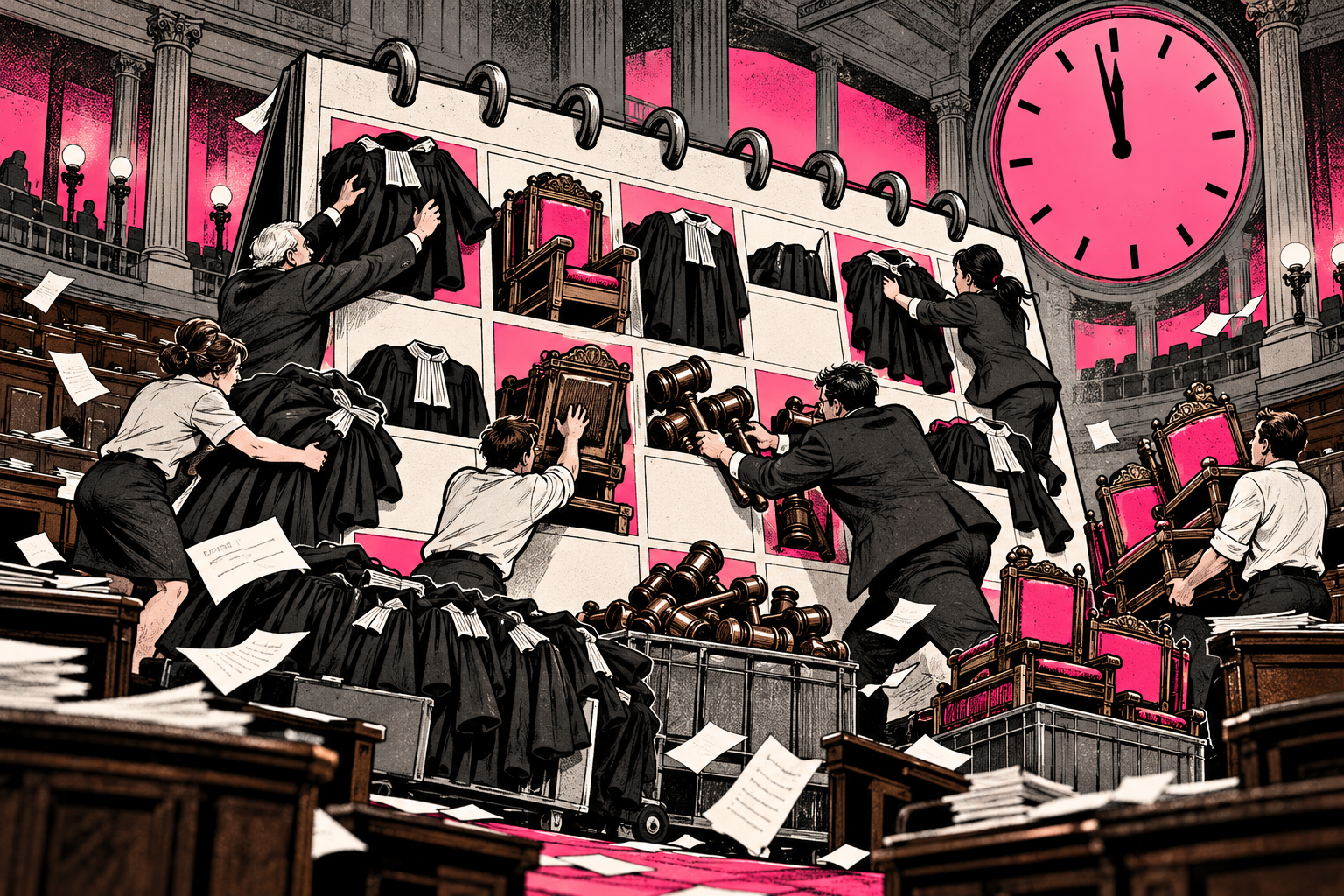
By Nothing inspires respect for the voters quite like planning the lifetime appointments for the period immediately after the voters finish speaking. The Senate calls this advice and consent. The rest of us might call it completing the permanent fixtures during the closing shift.
Reuters reported Thursday that Senate Judiciary Committee Chair Chuck Grassley plans to hold two judicial-nomination hearings during the Senate’s two-week November session, after the November 3 midterms but before the next Congress begins. The committee traditionally holds one nominations hearing every two weeks. Under the proposed calendar, six pending nominees could appear November 10, with additional nominees potentially considered November 18 and floor votes following in December.
Republicans currently hold a 53–47 Senate majority. Polls and analysts give Democrats a chance to take control, which would make confirming President Trump’s nominees more difficult next year. The obvious procedural response is therefore to ask whether the hearing calendar can be folded like a fitted sheet and stuffed into November.
There is nothing inherently illegitimate about a Senate doing its job until its term ends. Senators remain senators after Election Day. Presidents remain presidents. Vacancies do not enter a ceremonial hibernation because campaign signs are being recycled.
The Catch
The concern is not that nominations continue. It is that a longstanding pace is being accelerated precisely because the electorate may change who controls the chamber. The institution is treating a possible democratic verdict as a shipping deadline for lifetime power.
Senator Dick Durbin, the committee’s top Democrat, objected to the back-to-back hearings and warned Republicans that the precedent could later be used by a Democratic majority. He is right about that. Procedural shortcuts are bipartisan inheritance programs. Every party that invents one eventually watches the other party move into the house.
Trump has already secured confirmation of 56 judges since returning to office in 2025, Reuters reports, including 10 appeals-court judges. Six more nominees are awaiting hearings. One, Samuel Adkisson, is being held up because Republican Senator Marsha Blackburn has not returned the home-state approval known as a blue slip. Even the express lane contains a small booth where senatorial courtesy may demand exact change.
The question is not whether each nominee is qualified; that requires individual review. It is whether senators can seriously perform that review when the calendar is designed around speed and a possible transfer of power. Background investigations, records, testimony and home-state concerns are not packing material to be removed so the judiciary fits in a smaller box.
Republicans would say Democrats are trying to run out the clock. Democrats would happily move faster under a future Democratic president if the precedent is established. That does not make the maneuver fair. It makes the warning label accurate. A rule that becomes alarming only when the other party uses it was never a principle. It was a coupon.
A healthier Senate would publish the schedule, records and review standards, then give nominees the same scrutiny whether the majority expects to gain seats or lose them. Lifetime appointments should not depend on whether the Judiciary Committee has activated holiday shipping.
If the plan works, voters will choose a new Senate in November and the old Senate will choose judges for life in December. Democracy: now with a closing shift.